Agent
Call us 24/7 +1-857-997-0168

How to Remove Viruses and Malware from Your PC:
A Complete Guide

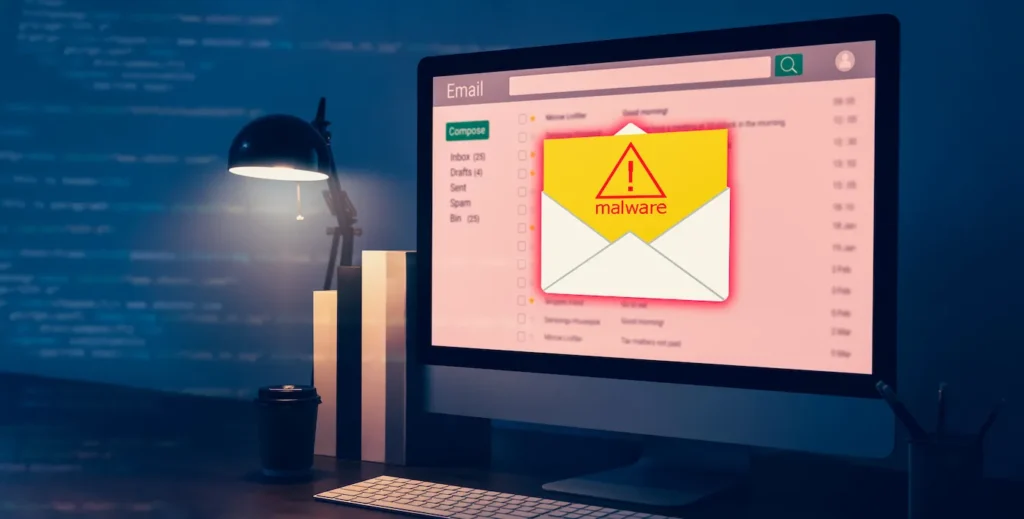
Computer viruses and malware can disrupt your work, compromise personal data, and significantly slow down your system. Whether it’s suspicious pop-ups, random crashes, or unusual background activity, acting quickly can prevent further damage.

This guide walks you through safe and effective steps to remove malware from your PC and strengthen your system against future threats.

Common Signs of Malware Infection

Not sure if your computer is infected? Look out for these warning signs:

If you notice several of these issues at once, your PC may be compromised.

Step 1: Disconnect from the Internet

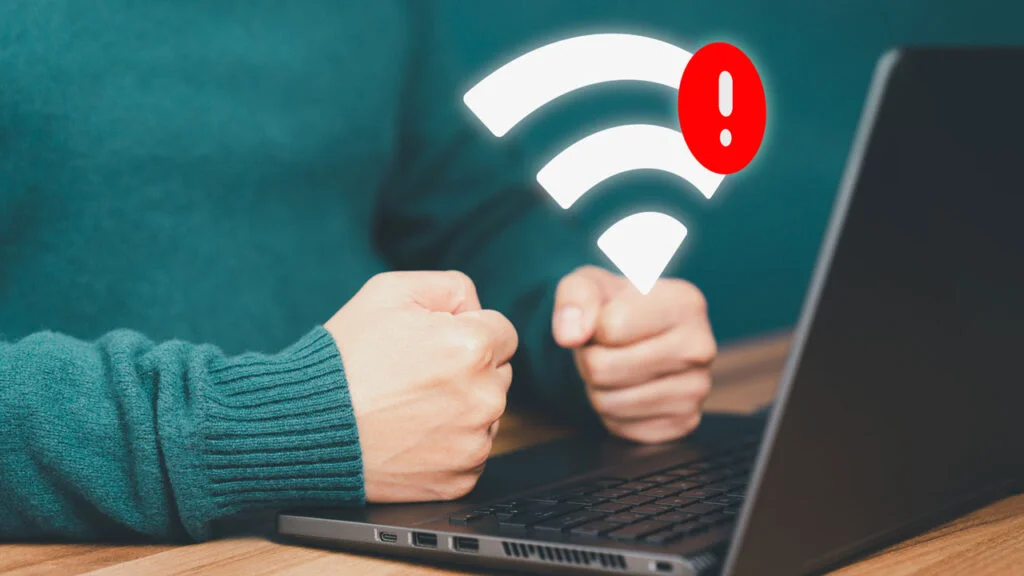
As soon as you suspect malware, disconnect your PC from the internet. This prevents malicious software from:

Turn off Wi-Fi or unplug the Ethernet cable until the system is clean.

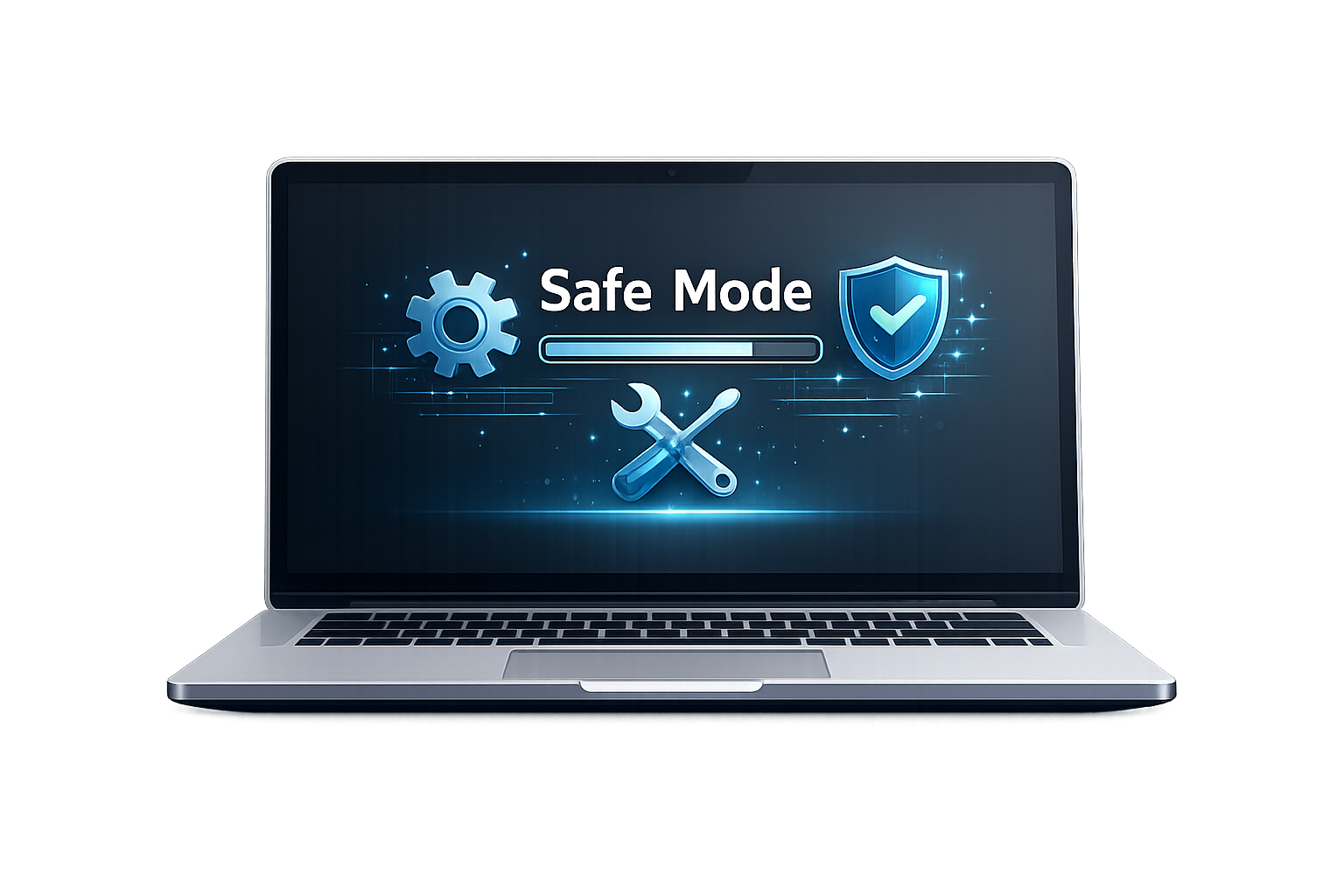
Step 2: Start Your PC in Safe Mode

Safe Mode runs Windows with only essential processes, which helps prevent malware from automatically launching.

To access Safe Mode in Windows 10 or 11:

This creates a safer environment for scanning and removal.

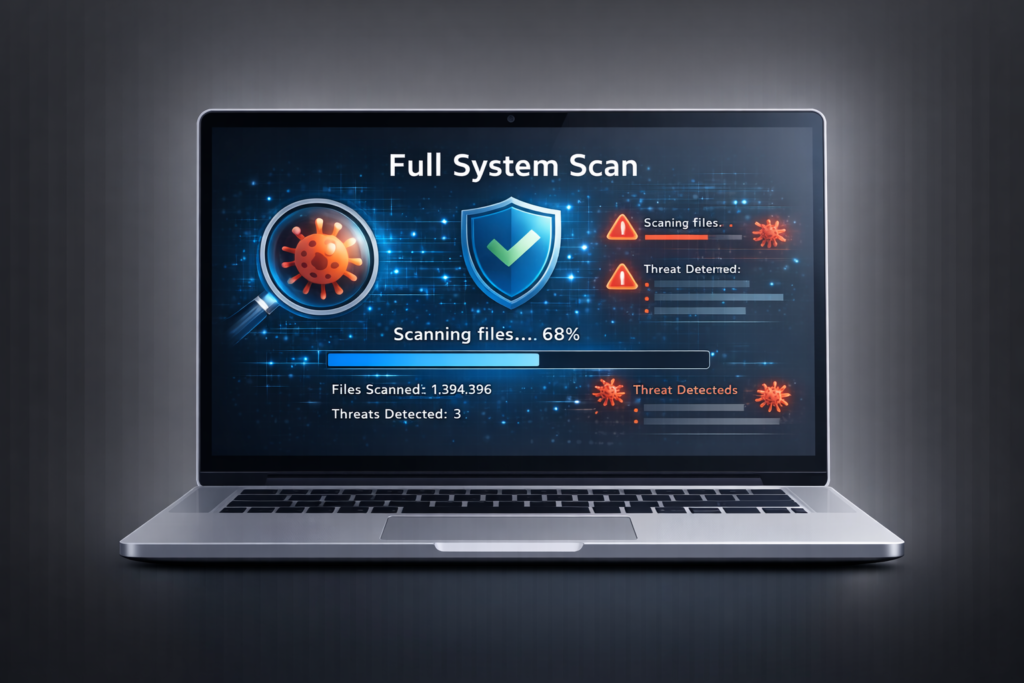
Step 3: Run a Full Antivirus Scan

Use a reputable security program to perform a full system scan. Some reliable options include:

Make sure to select a full scan, not a quick scan. Follow the prompts to quarantine or remove any detected threats.

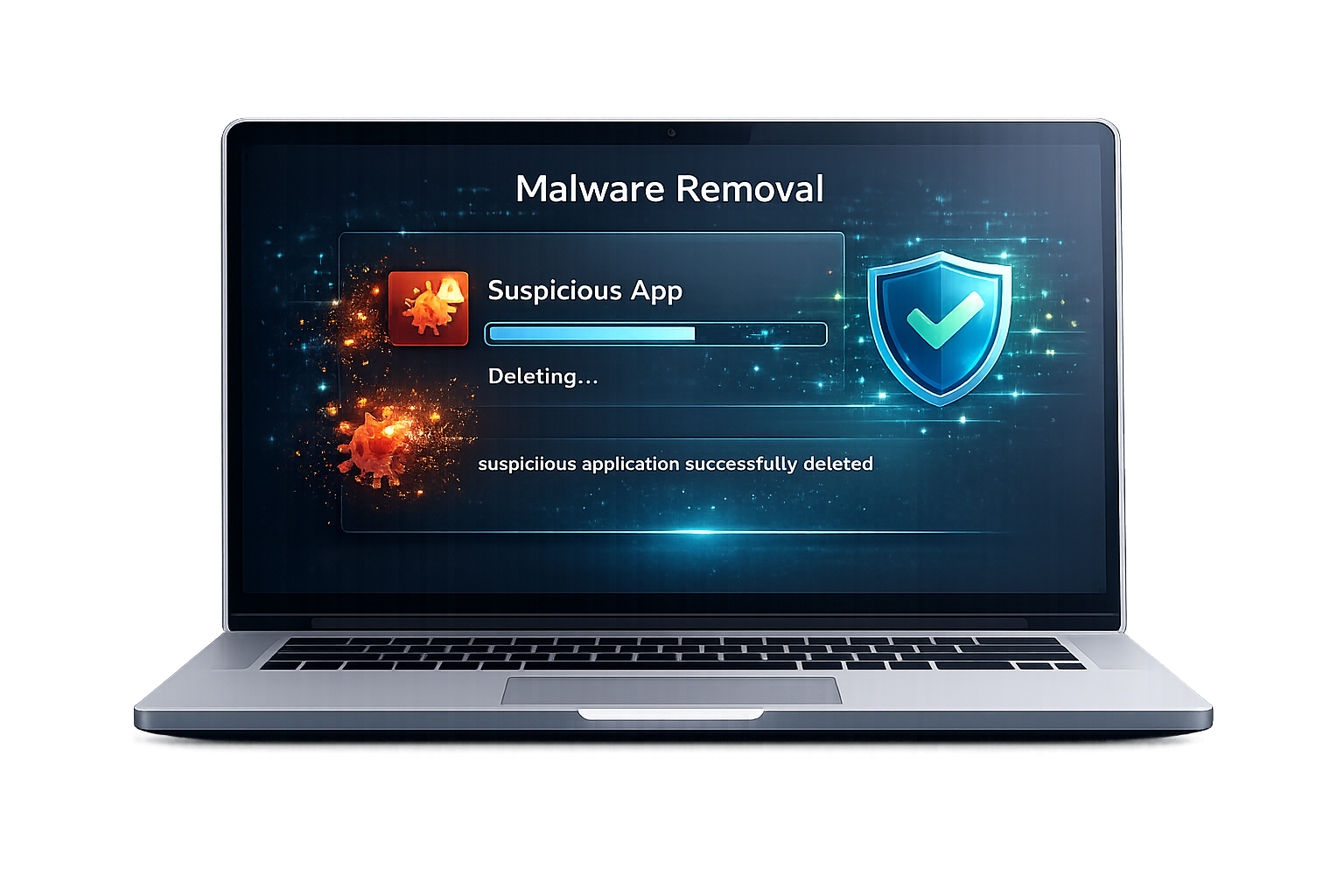
Step 4: Remove Suspicious Applications

Malware sometimes installs unwanted programs without your knowledge.

To check:

If you’re unsure about a program, research its name before deleting it.

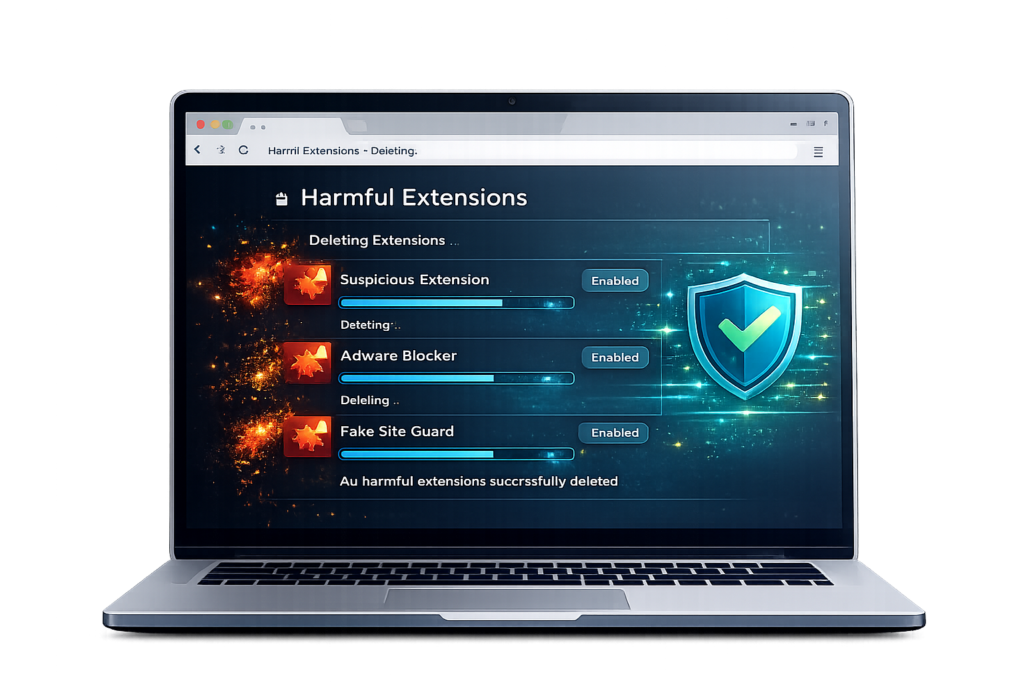
Step 5: Clean and Reset Your Browser

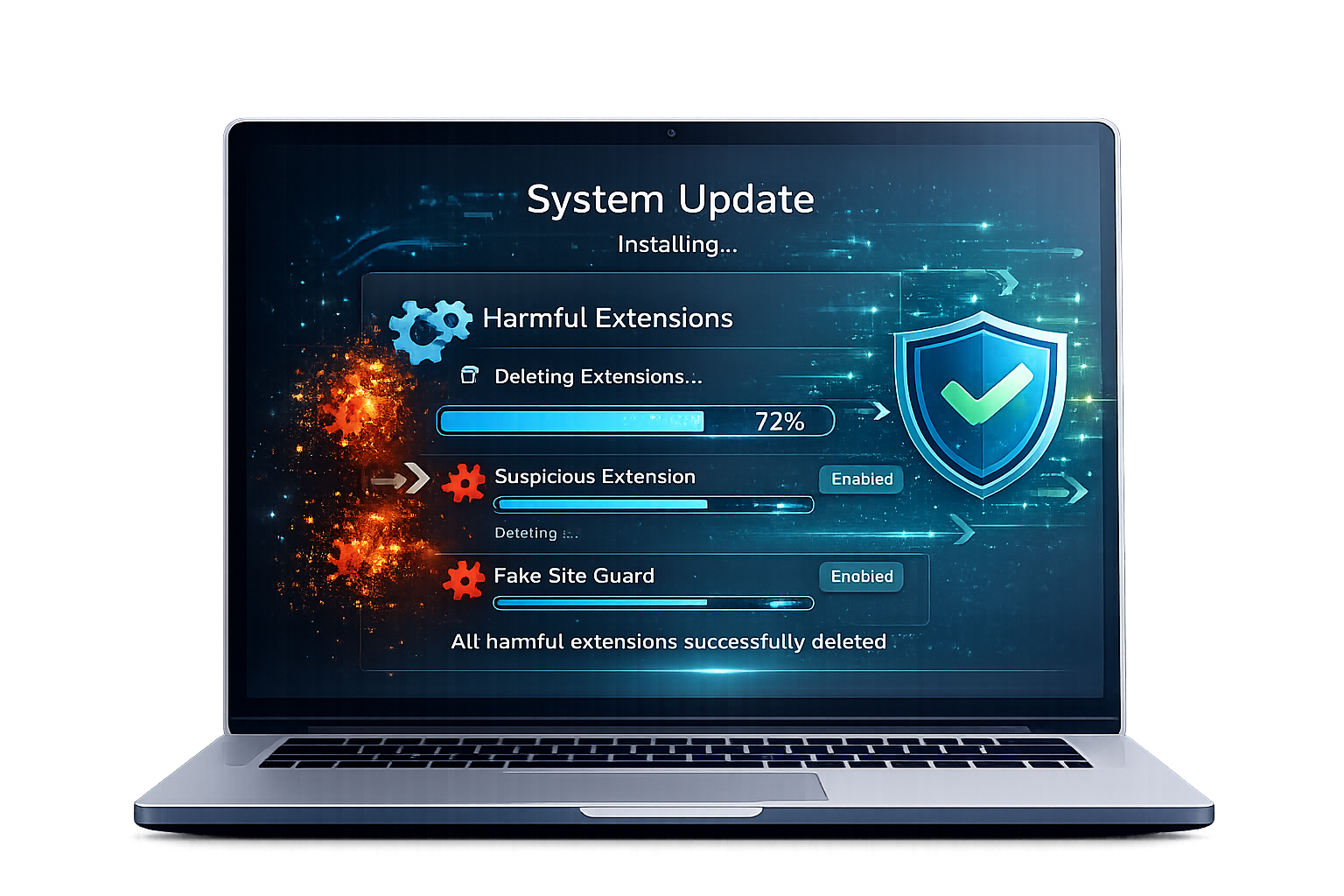
Malicious software often targets browsers by changing settings or installing harmful extensions.

Take these actions:

This eliminates hidden scripts or tracking tools.

Step 6: Update Your System and Software

Outdated systems are easy targets. Once your PC is clean:

Security updates patch vulnerabilities that attackers exploit.

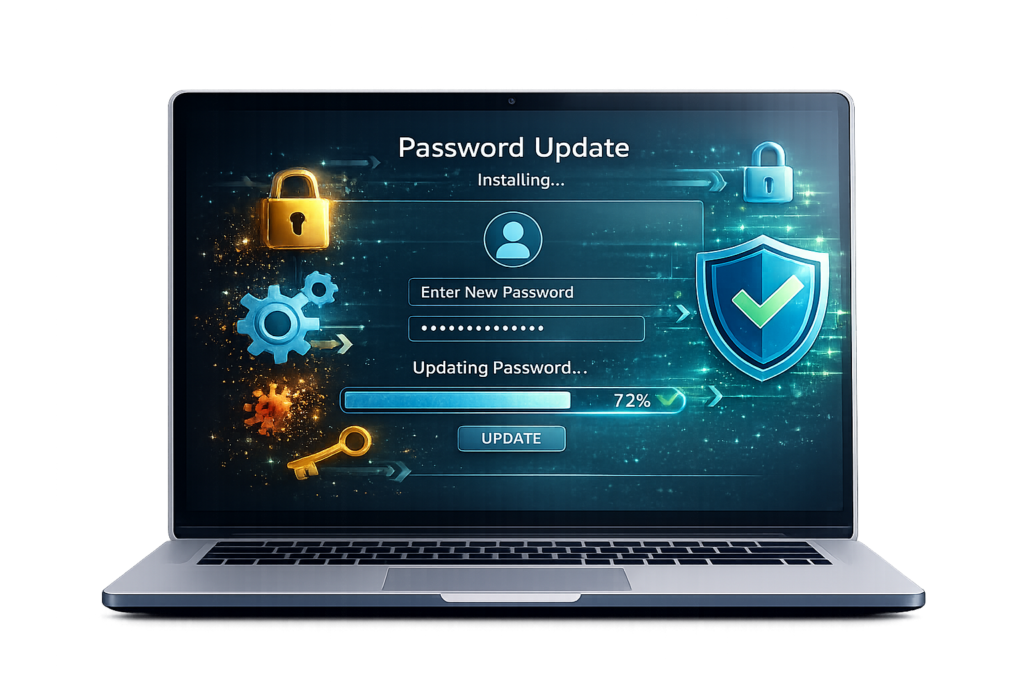
Step 7: Change Important Passwords

If your system was infected, assume sensitive data may have been exposed.

If possible, change passwords from a secure device.

Step 8: Consider Additional Security Tools

If the infection persists, try a second malware removal tool for verification. Some specialized programs focus on spyware, rootkits, or ransomware detection that standard antivirus tools may overlook.


How to Prevent Future Malware Infections

Prevention is always easier than recovery. Adopt these habits:

If possible, change passwords from a secure device.

Final Thoughts

Removing viruses and malware from your PC requires patience and the right approach. By isolating your device, running thorough scans, updating your system, and practicing safe browsing habits, you can restore your computer’s performance and protect your data.

Staying proactive with security measures will keep your PC safe and running efficiently long term.